

Tires That Last Through High-Mileage Commutes
Tire Rotation and Replacement in Apopka for even tread wear and safer stopping performance
1st Performance Automotive rotates and replaces tires to prevent uneven wear patterns that reduce stopping power and fuel efficiency across all makes and models. You schedule rotation service when tread depth varies between front and rear axles or when commuting mileage and road conditions begin affecting tire lifespan. Rotation services redistribute wear across all four tires, which delays the need for full replacement and maintains consistent handling during Florida's frequent rain events.
Tire rotation moves tires to different positions on your vehicle based on wear patterns, which prevents premature degradation of individual tires and keeps tread depth uniform. Replacement becomes necessary when tread depth falls below safe levels, when sidewall damage compromises structural integrity, or when age-related cracking appears regardless of remaining tread. Technicians inspect for alignment issues that accelerate wear on specific edges and check tire pressure to identify slow leaks that contribute to uneven contact with the road.
Schedule a tire inspection to measure current tread depth and identify rotation intervals for your driving patterns.
What Happens After Tires Are Rotated
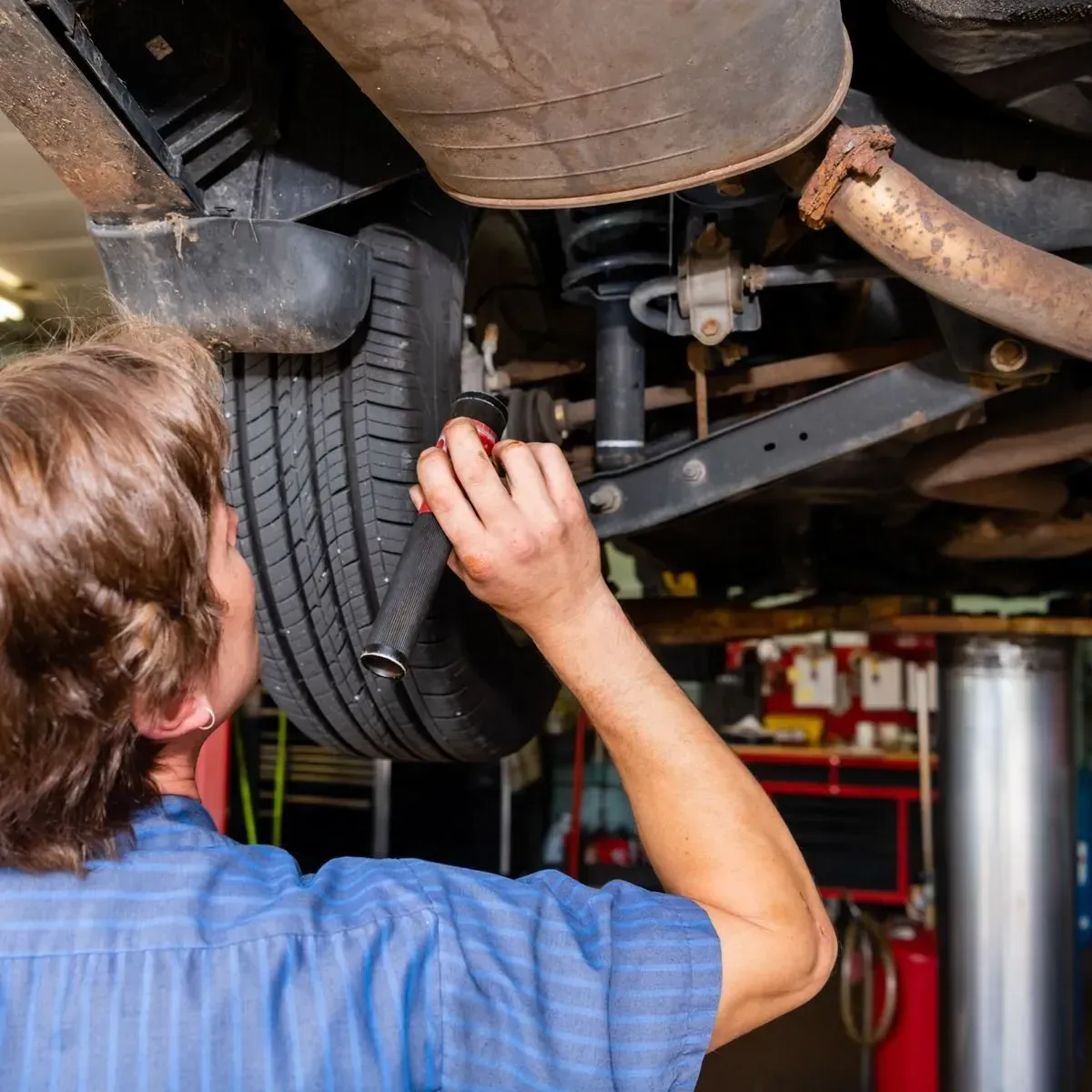
Technicians lift the vehicle and move each tire to a position that balances wear based on whether your vehicle uses front-wheel, rear-wheel, or all-wheel drive. The rotation pattern depends on your drivetrain configuration because power delivery affects which tires wear fastest. Tread depth measurements taken before and after rotation confirm that the service addresses uneven wear and establishes the timeline for your next rotation.
You notice steering response becomes more predictable after rotation because all four tires now grip the road with similar tread depth, which prevents the vehicle from pulling toward one side during acceleration or braking. Fuel efficiency improves slightly when tire contact patches are uniform across all positions, and road noise decreases when tread blocks wear evenly instead of developing cupped or feathered patterns. Tire lifespan extends by several thousand miles when rotation happens at consistent intervals, which delays the expense of purchasing a full set of replacements.
Replacement includes mounting new tires, balancing each wheel to eliminate vibration at highway speeds, and disposing of old tires that no longer meet safety standards. Technicians recommend replacing all four tires when tread depth differences exceed specific thresholds, though paired replacements on the same axle work for vehicles with moderate wear differences. Alignment checks during replacement confirm that suspension geometry won't cause the new tires to wear prematurely on inside or outside edges.
Questions About Tire Service and Replacement
Drivers in Apopka typically ask about rotation intervals and the conditions that accelerate tire wear in Central Florida.
How often should tires be rotated for daily commuting?
Rotation intervals typically range from 5,000 to 7,500 miles depending on your vehicle's drivetrain and whether you drive mostly highway miles or stop-and-go traffic. Commuters who frequently navigate construction zones or rough pavement may need rotation closer to the 5,000-mile mark to counteract accelerated wear from road debris and uneven surfaces.
What tread depth indicates it is time for replacement?
Tires should be replaced when tread depth reaches 2/32 of an inch, though many technicians recommend replacement at 4/32 of an inch for wet-weather safety. Florida's heavy rainfall reduces hydroplaning resistance once tread depth falls below that threshold.
Why do front tires wear faster than rear tires on some vehicles?
Front-wheel-drive vehicles place engine weight and steering forces on the front axle, which increases friction and heat buildup that accelerate tread wear. Rotating tires moves the less-worn rear tires to the front before wear becomes severe enough to require early replacement.
What causes tires to wear unevenly on one edge?
Misaligned suspension angles cause the tire to contact the road at an incorrect angle, concentrating wear on the inside or outside edge. Alignment corrections stop this pattern, but the damaged tire may still need replacement if the wear difference is too severe.
How does tire age affect replacement timing regardless of tread depth?
Tires degrade from heat, sunlight, and ozone exposure even when tread depth appears adequate, causing sidewall cracking and internal structure breakdown after six to ten years. Replacement becomes necessary when age-related damage appears, as structural failure risk increases independent of how many miles remain on the tread.
1st Performance Automotive inspects tread depth, sidewall condition, and alignment-related wear during every tire service to identify whether rotation or replacement provides the best value for your current tire condition. Request a tire inspection if you notice vibration, pulling, or reduced traction during wet-weather driving.