

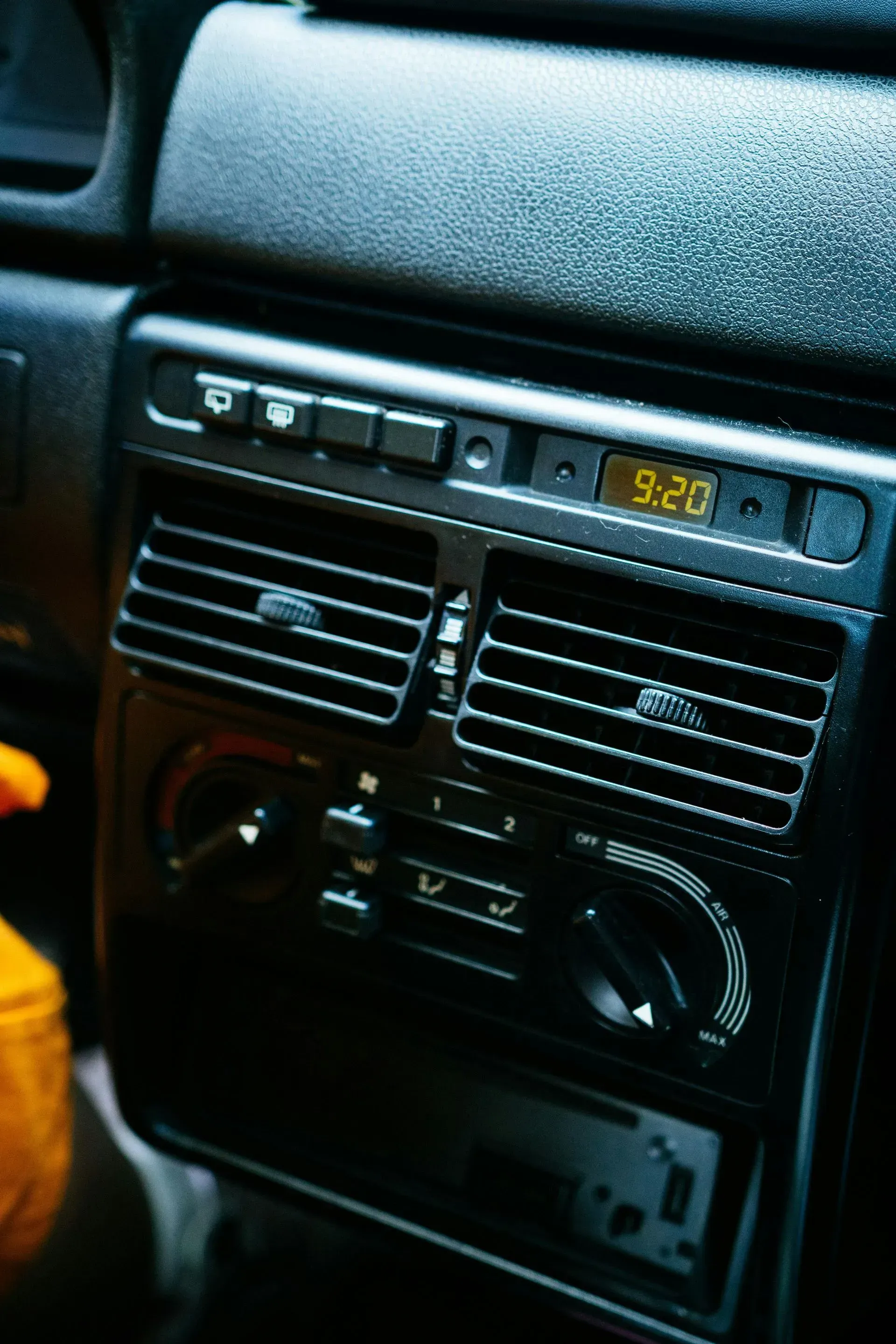
Climate Control That Works in Humid Heat
A/C and Heating Repair in Apopka for weak airflow and inconsistent cabin temperatures
Weak airflow from dashboard vents and warm air during humid Florida afternoons signal refrigerant loss, compressor failure, or blocked evaporator cores that prevent your vehicle's climate system from removing heat and moisture. 1st Performance Automotive diagnoses and repairs air conditioning and heating systems across all makes and models in Apopka, restoring the cooling performance required for comfort and visibility during summer driving. Technicians inspect compressors, hoses, refrigerant levels, and climate control electronics to identify whether the system needs refrigerant recharge, component replacement, or leak repairs.
Air conditioning diagnostics measure refrigerant pressure at high and low sides of the system to determine whether the compressor circulates refrigerant properly or whether leaks have depleted system capacity. Heating issues involve checking coolant flow through the heater core, testing blend door actuators that direct airflow, and verifying that the thermostat maintains proper engine temperature. Unusual odors often indicate mold growth on the evaporator from moisture buildup, which requires cleaning or replacement to restore air quality inside the cabin.
Schedule a climate system inspection to identify the source of weak airflow or temperature inconsistencies before summer heat intensifies.
Why Climate System Repairs Restore Driving Comfort
Technicians connect diagnostic equipment to measure refrigerant pressures, compressor clutch engagement, and electrical signals to climate control modules that regulate temperature. Leak detection involves adding UV dye to the refrigerant and using black lights to trace where hoses, seals, or condensers have failed. Compressor replacement becomes necessary when internal components seize or when metal shavings contaminate the refrigerant, which damages other system parts if not addressed.
You notice cabin temperature drops to comfortable levels within minutes of starting the engine once refrigerant charge is restored and the compressor cycles properly. Airflow strengthens across all vent positions when blower motor resistors or cabin air filters are replaced, eliminating the weak output that forces you to set fan speed to maximum just to feel any cooling. Windshield defogging improves because the air conditioning removes humidity from incoming air, which prevents interior glass fogging during rainstorms and maintains clear visibility for safer driving.
Heating repairs involve flushing clogged heater cores or replacing blend door actuators that control whether air passes over the heater core or bypasses it entirely. Some climate systems fail because electronic controls malfunction rather than mechanical components, requiring reprogramming or module replacement to restore automatic temperature regulation. Preventative maintenance includes checking refrigerant levels before seasonal temperature changes and replacing cabin air filters that restrict airflow when clogged with pollen and debris.
Common Climate System Questions
Drivers servicing vehicles in Central Florida often ask about refrigerant loss and the factors that reduce air conditioning performance during extended use.
What causes air conditioning to blow warm air suddenly?
Refrigerant leaks from deteriorated hoses or seals reduce system pressure below the threshold needed for the compressor to engage, which stops the cooling cycle entirely. Compressor clutch failure also prevents refrigerant circulation even when refrigerant levels remain adequate.
How does Florida's climate affect air conditioning system lifespan?
Continuous use during hot and humid months places constant demand on compressors, hoses, and seals, accelerating wear compared to vehicles in moderate climates. High underhood temperatures in stop-and-go traffic contribute to refrigerant leaks and component degradation over time.
Why does airflow weaken gradually over several months?
Cabin air filters trap dust, pollen, and debris that accumulate and block airflow through the ventilation system. Blower motor resistors can also fail partially, limiting fan speed options and reducing overall air volume.
What happens during a refrigerant recharge?
Technicians evacuate remaining refrigerant, check the system for leaks using pressure tests, and refill to the manufacturer-specified amount using recovery equipment. Recharge alone does not fix leaks, so the system must be sealed before refrigerant is added.
How long does air conditioning repair typically take?
Simple refrigerant recharges take under an hour, while compressor replacement or evaporator core access requires several hours due to dashboard disassembly. Diagnosis time depends on whether the issue involves mechanical components or electrical controls.
1st Performance Automotive uses pressure testing and leak detection tools to identify whether your climate system needs refrigerant service, component replacement, or electrical repairs. Book a diagnostic appointment if cabin temperature or airflow no longer meets your expectations during daily driving.