Handling That Stays Controlled on Rough Roads
Suspension Services in Apopka for bouncing, pulling, and uneven tire wear
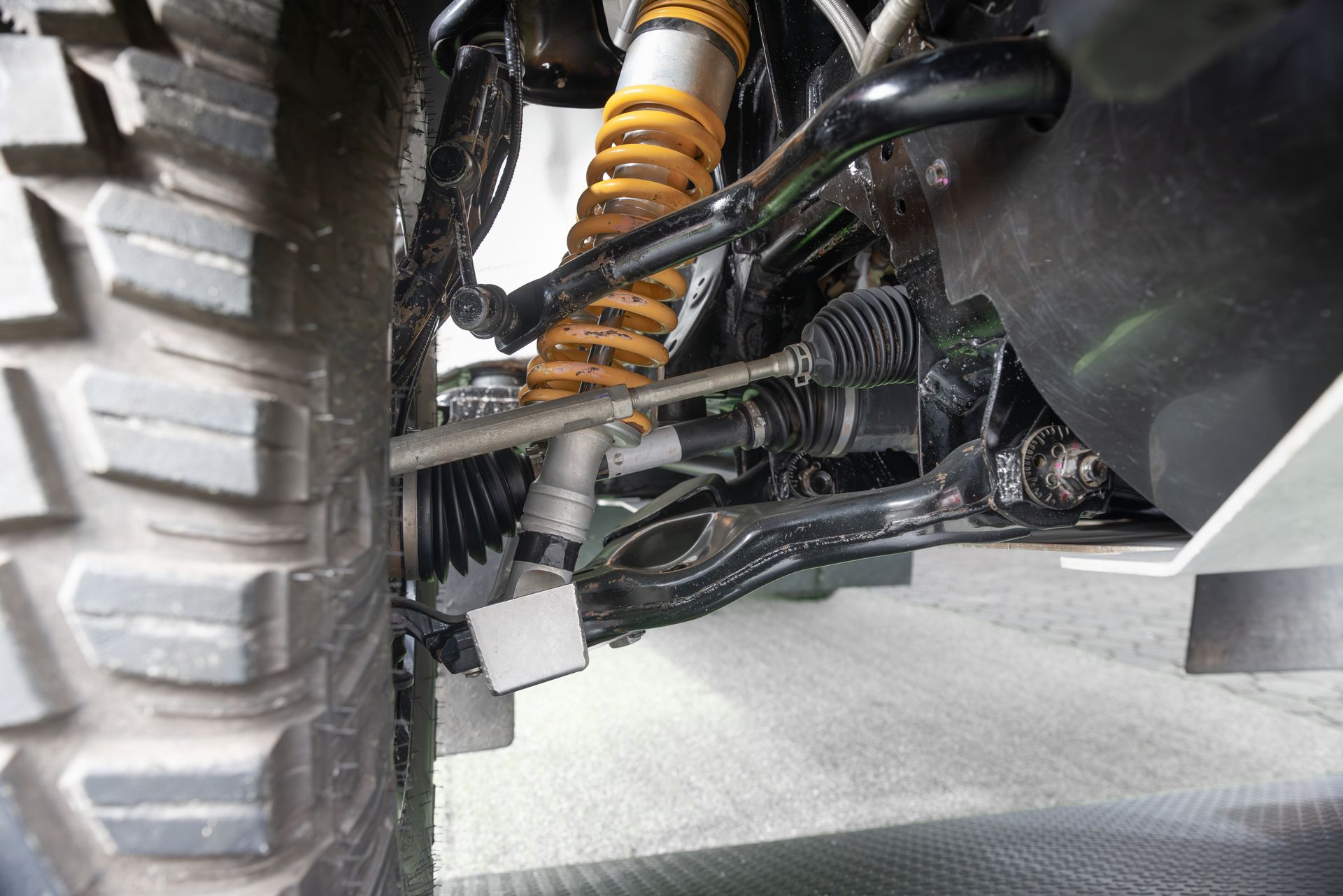
Bouncing over bumps and rough handling during lane changes signal worn shocks or struts that no longer dampen suspension movement, which reduces vehicle control and accelerates tire wear on edges. 1st Performance Automotive inspects and repairs suspension components including shocks, struts, steering linkages, and control arms across all makes and models to restore ride comfort and handling stability. Technicians diagnose suspension problems by checking for fluid leaks from shock absorbers, measuring excessive play in steering components, and identifying worn bushings that allow misalignment and uneven tire contact with the road.
Suspension diagnostics involve test-driving the vehicle to replicate symptoms, then lifting it to inspect components for wear patterns that affect ride quality and steering response. Daily driving on roads with potholes, expansion joints, and uneven pavement contributes to suspension wear over time because repeated impacts stress shock absorbers and degrade rubber bushings. Symptoms such as the vehicle pulling to one side or tires wearing unevenly on inside or outside edges indicate alignment problems caused by worn suspension parts that shift wheel angles out of specification.
Schedule a suspension inspection if ride quality changes or if you notice the vehicle bouncing excessively after hitting bumps.
How Suspension Repairs Improve Vehicle Control
Experienced technicians measure suspension geometry and identify which components no longer hold proper alignment angles, then replace worn shocks, struts, control arm bushings, or ball joints that contribute to poor handling. Shock absorbers are tested by pushing down on each corner of the vehicle and observing how quickly the suspension rebounds; excessive bouncing indicates internal fluid loss or worn valving that fails to control spring movement. Steering components are inspected for looseness by checking tie rod ends, idler arms, and center links for play that creates vague steering feel and delayed response to steering input.
You notice the vehicle absorbs bumps smoothly after suspension service because new shocks and struts dampen spring oscillation properly, eliminating the floating or bouncing sensation over uneven pavement. Steering response becomes more direct and predictable when worn tie rods and ball joints are replaced, which restores tight handling and reduces the need to constantly correct steering during highway driving. Tire wear patterns normalize once alignment is corrected and suspension components hold wheel angles within specification, which extends tire lifespan and improves fuel efficiency by reducing rolling resistance.
Suspension service often includes alignment adjustments after component replacement to confirm that camber, caster, and toe angles meet manufacturer specifications. Some suspension issues stem from broken springs or damaged control arms that require replacement rather than adjustment, while others involve simple bushing replacement that restores original suspension geometry. Preventative suspension care helps avoid safety concerns related to poor vehicle control and reduces the need for frequent tire replacement caused by alignment-related wear.
What Drivers Ask About Suspension Work
Owners servicing vehicles for daily use often ask how to recognize suspension failure and what replacement involves for different components.
What causes a vehicle to bounce excessively after hitting bumps?
Worn shock absorbers or struts lose their ability to dampen spring movement, allowing the suspension to oscillate multiple times before settling. Internal seals fail over time, causing hydraulic fluid leaks that eliminate the resistance needed to control suspension travel.
How do road conditions in Central Florida affect suspension lifespan?
Frequent encounters with potholes, construction zones, and rough pavement subject suspension components to repeated impacts that accelerate wear on shocks, struts, and bushings. Humidity and road salt from coastal areas also contribute to corrosion on metal suspension parts and fasteners.
Why does the steering wheel pull to one side during acceleration?
Worn suspension components allow wheel alignment angles to shift, causing the vehicle to pull toward the side with the most misalignment. Uneven tire pressure or brake caliper issues can also cause pulling, so accurate diagnosis requires inspecting multiple systems.
What is the difference between shocks and struts in terms of replacement?
Shocks are standalone dampers that bolt to the suspension, while struts integrate the damper into a structural component that supports the vehicle's weight. Strut replacement typically requires disassembly of more suspension parts and alignment correction afterward.
How does suspension wear affect tire replacement costs over time?
Misalignment caused by worn suspension components creates uneven tire wear that shortens tire lifespan by several thousand miles. Replacing suspension parts and correcting alignment prevents premature tire replacement and reduces long-term maintenance expenses.
1st Performance Automotive identifies suspension problems through test drives and component inspections, then provides repairs that restore factory ride quality and handling performance. Request a suspension evaluation if steering feel or ride comfort no longer meets your expectations.