
Stopping Refrigerant Loss Before It Worsens
AC Leak Detection & Repair in Apopka for weakening airflow and rising cabin temperatures
A slow refrigerant leak shows up gradually—vent temperatures climb a few degrees each week, cooling becomes inconsistent between stops, or the system runs constantly without reaching the temperature you set. 1st Performance Automotive uses advanced diagnostic equipment to locate leaks in hoses, seals, condensers, and other AC components where refrigerant escapes undetected during normal visual inspections. Drivers in Apopka dealing with declining AC performance often find that unrepaired leaks lead to compressor damage and complete system failure within a single cooling season.
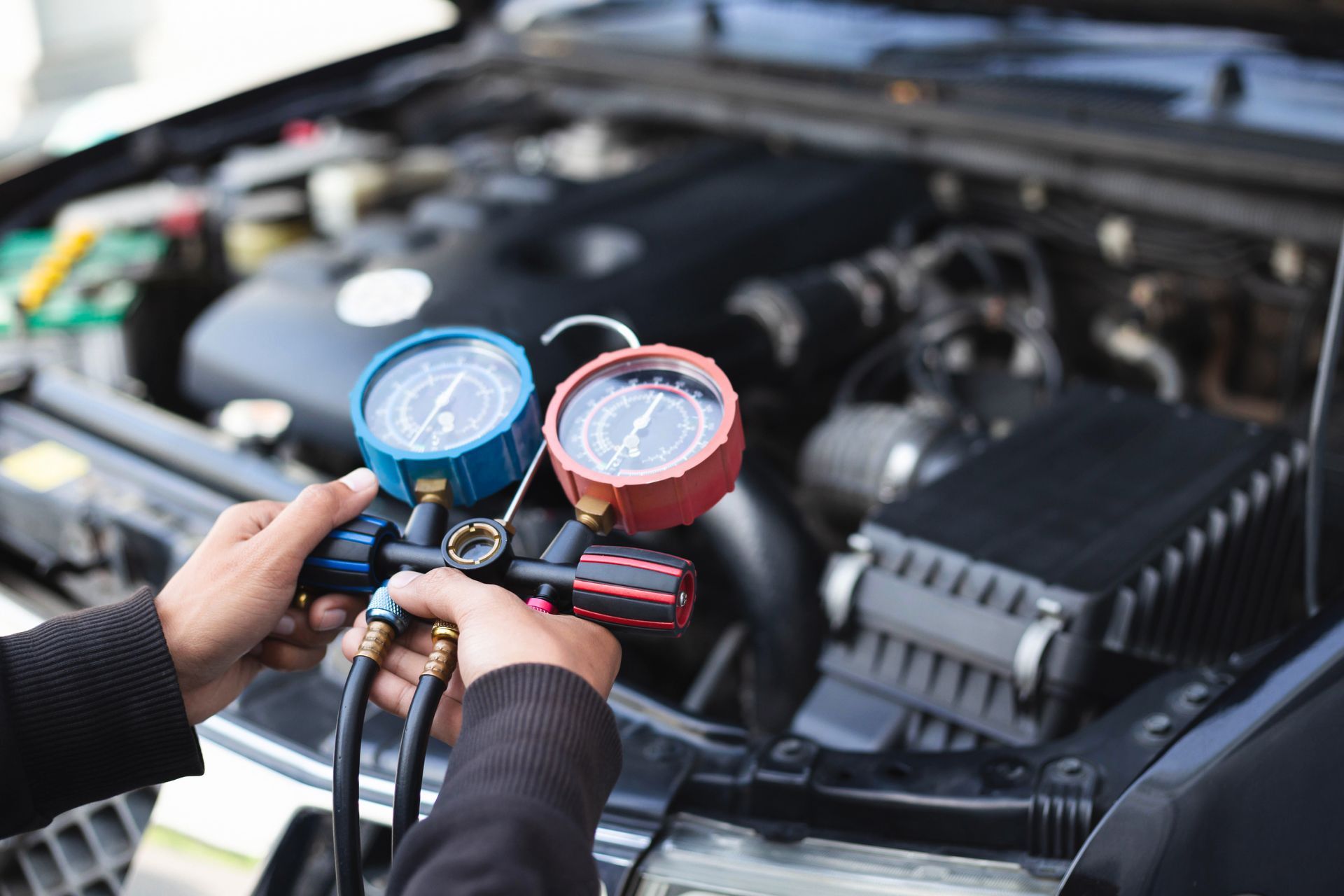
The detection process involves pressurizing the system with tracer dye or electronic leak detectors that identify refrigerant escaping from joints, O-rings, and metal surfaces corroded by road salt and humidity. Repairs restore sealed connections and replace damaged components so refrigerant circulates without loss. Florida's year-round heat accelerates refrigerant depletion, meaning even small leaks reduce cooling capacity faster than in moderate climates.
Schedule a diagnostic evaluation to identify the exact location and severity of refrigerant loss.
What Happens After Leak Repairs Are Completed
Once leaks are sealed, the system holds refrigerant at the correct pressure without requiring frequent recharges. Technicians verify repairs by running pressure tests that confirm no further loss occurs during normal compressor cycling and temperature changes. The repair process addresses both the physical breach and any corrosion or wear that caused the original failure, preventing the same component from failing again within months.
After leak detection and repair, your vent temperatures return to manufacturer specifications—typically between thirty-eight and forty-two degrees at full operation. The compressor cycles normally without running continuously to compensate for low refrigerant, reducing strain on the system and improving fuel efficiency. You'll notice consistent cooling from startup through extended drives, rather than intermittent cold air that fades as refrigerant levels drop.
Leak repairs extend the lifespan of your AC system by preventing refrigerant starvation, which forces the compressor to work harder and overheat. Addressing leaks early avoids compressor replacement costs and maintains the integrity of seals and hoses throughout the refrigerant circuit. Regular diagnostics after repair confirm the system remains sealed and pressurized correctly as components age and environmental conditions change.
Questions About Leak Detection and Repairs
Drivers in Apopka often ask how leaks develop and what the repair process involves, especially when cooling problems appear gradually rather than suddenly.
What causes refrigerant leaks in AC systems?
Leaks develop from vibration wear on hose connections, corrosion on condenser coils exposed to road debris, and deteriorated O-ring seals that harden over time. Florida's humidity accelerates metal corrosion, particularly on components mounted near the front of the vehicle.
How is a refrigerant leak detected when it's not visible?
Technicians use UV dye injected into the system that glows under black light at leak points, or electronic sniffers that detect refrigerant molecules escaping from seals and fittings. Both methods locate leaks too small to produce visible refrigerant vapor or oily residue.
When should I have the AC system checked for leaks?
Schedule leak detection when vent temperatures rise above forty-five degrees, cooling performance declines between recharges, or the compressor runs constantly without reaching the set temperature. Waiting until the system stops cooling entirely increases repair costs and risks compressor damage.
What gets replaced during a typical leak repair?
Repairs may involve replacing deteriorated hoses, installing new O-ring seals at connection points, or patching condenser coils if damage is localized. The specific repair depends on where the leak originates and the extent of component wear.
How long do leak repairs last before refrigerant needs to be recharged again?
Properly sealed repairs prevent refrigerant loss indefinitely, meaning the system should not require recharging unless a new leak develops or normal service intervals require refrigerant replacement. If cooling declines within months of repair, a secondary leak likely exists that requires additional diagnostics.
1st Performance Automotive addresses refrigerant leaks with diagnostic precision that prevents recurring problems and unnecessary recharges. Request a system evaluation to determine whether declining cooling results from leaks or other AC component failures.