Identifying AC Problems Before Failures Occur
Auto AC Performance Testing in Apopka for inconsistent cooling and uncertain system reliability
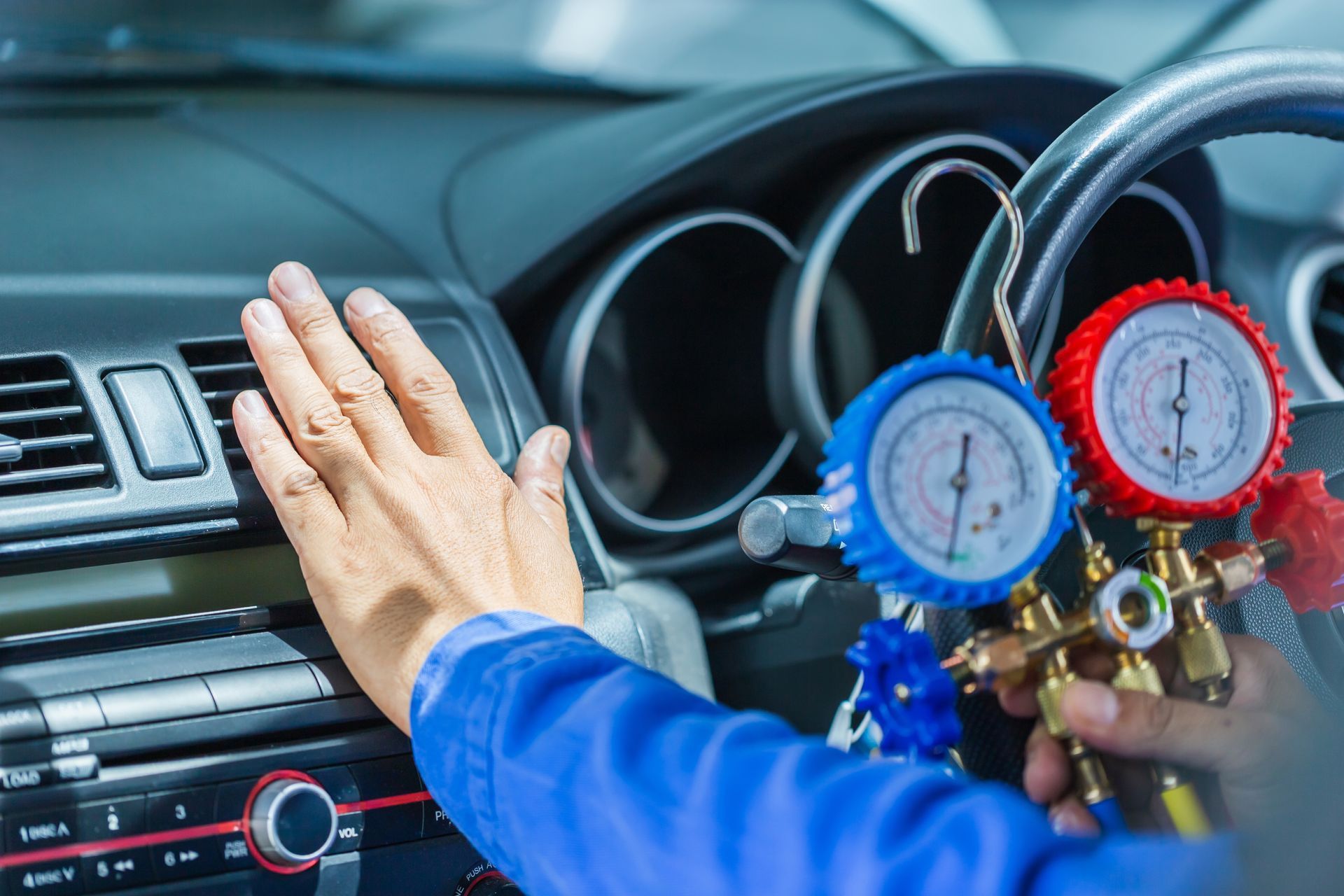
AC performance testing measures cooling output, airflow volume, and vent temperatures against manufacturer specifications to identify problems before they cause complete system failure. The process involves checking system pressures on both the high and low sides of the refrigerant circuit, evaluating compressor engagement and cycling patterns, and comparing cabin temperature drop rates to normal operating ranges. 1st Performance Automotive runs these diagnostics to detect hidden issues like partial blockages, low refrigerant levels, or failing compressors that reduce efficiency without stopping airflow entirely.
Testing reveals whether weak cooling stems from refrigerant loss, restricted airflow through the evaporator, or compressor wear that prevents proper pressure generation. Technicians also evaluate blower motor output and duct airflow to ensure cooled air reaches the cabin without restriction. In Apopka's climate, where AC systems operate almost daily, performance testing catches declining efficiency before summer heat exposes critical failures during peak demand.
Arrange a performance evaluation to confirm your AC system operates at full capacity before temperatures climb.
Why System Pressures Reveal AC Health
Pressure readings on the high and low sides of the AC system indicate whether refrigerant circulates correctly and the compressor generates adequate compression. Low-side pressure below specifications suggests refrigerant loss or a restriction in the evaporator, while high-side pressure readings outside normal ranges point to compressor wear or condenser blockages. Accurate pressure diagnostics require the system to run under load, simulating real-world conditions rather than static checks with the engine off.
After testing, you'll know whether your AC system delivers airflow temperatures within the thirty-eight to forty-two degree range typical of properly functioning systems. The evaluation identifies whether repairs involve refrigerant recharge, component replacement, or airflow corrections, eliminating guesswork and preventing unnecessary part swaps. Testing also confirms whether recent repairs restored full performance or if additional work is needed to reach manufacturer cooling standards.
Performance testing includes evaluating how quickly cabin temperatures drop after startup, which reveals whether the system maintains cooling under extended use or loses efficiency as components heat up. This information helps determine whether problems are intermittent or constant, guiding repair decisions based on actual performance data rather than driver observation alone.
Common Questions About Performance Testing
Vehicle owners often want to understand what testing involves and when it's necessary, especially when cooling problems are subtle rather than obvious.
What does AC performance testing measure that I can't observe myself?
Testing measures refrigerant pressures, compressor cycling intervals, evaporator temperatures, and airflow volumes—variables that affect cooling but aren't visible during normal operation. These measurements reveal inefficiencies before they produce noticeable symptoms.
How do technicians test airflow and vent temperatures accurately?
Technicians use calibrated thermometers placed directly in vents to measure output temperatures and anemometers to gauge airflow velocity. The vehicle runs at operating temperature with the AC set to maximum cold and highest fan speed to simulate peak demand conditions.
When should I schedule performance testing instead of just adding refrigerant?
Schedule testing when cooling declines gradually over weeks, the system blows cold intermittently, or airflow feels weak despite the blower running at full speed. These symptoms suggest underlying problems that refrigerant recharge alone won't resolve.
What happens if testing reveals multiple issues affecting AC performance?
Technicians prioritize repairs based on which problems most severely limit cooling and which components risk further damage if not addressed. You'll receive a breakdown of what each issue contributes to reduced performance and what repairs restore full function.
How often should AC performance testing be done in Florida's climate?
Testing every two years or whenever cooling performance noticeably declines ensures the system maintains efficiency under constant use. Apopka's year-round heat means AC components wear faster than in regions with seasonal operation, making preventive testing more valuable for catching problems early.
1st Performance Automotive provides detailed AC diagnostics that quantify system performance and identify exactly what's limiting cooling capacity. Schedule testing to determine whether your AC operates at manufacturer standards or requires targeted repairs to restore efficiency.