Cooling Systems That Prevent Overheating Damage
Engine Cooling in Apopka for fluctuating temperature gauges and coolant leaks
Florida's high temperatures place constant demand on engine cooling systems, which makes radiator leaks, failed thermostats, and degraded coolant common causes of overheating that can warp cylinder heads and damage gaskets if not addressed quickly. 1st Performance Automotive diagnoses and repairs cooling system problems across all vehicle types in Apopka, inspecting radiators, water pumps, thermostats, hoses, and coolant condition to prevent engine damage from heat buildup. You schedule cooling system service when the temperature gauge climbs higher than normal, when coolant leaks appear under the vehicle, or when the engine overheats during stop-and-go traffic despite the cooling fan running continuously.
Cooling system diagnostics involve pressure testing to locate leaks in hoses, radiator cores, or water pump seals that allow coolant to escape and reduce system capacity. Technicians inspect coolant for contamination, rust, or oil mixing that indicates internal engine problems or degraded antifreeze that no longer protects against corrosion and boiling. Thermostat function is verified by monitoring operating temperature and checking whether the thermostat opens at the correct temperature to allow coolant flow through the radiator for heat dissipation.
Schedule a cooling system inspection before major problems occur if you notice temperature fluctuations or discover coolant puddles in your driveway.
What Changes After Cooling System Service
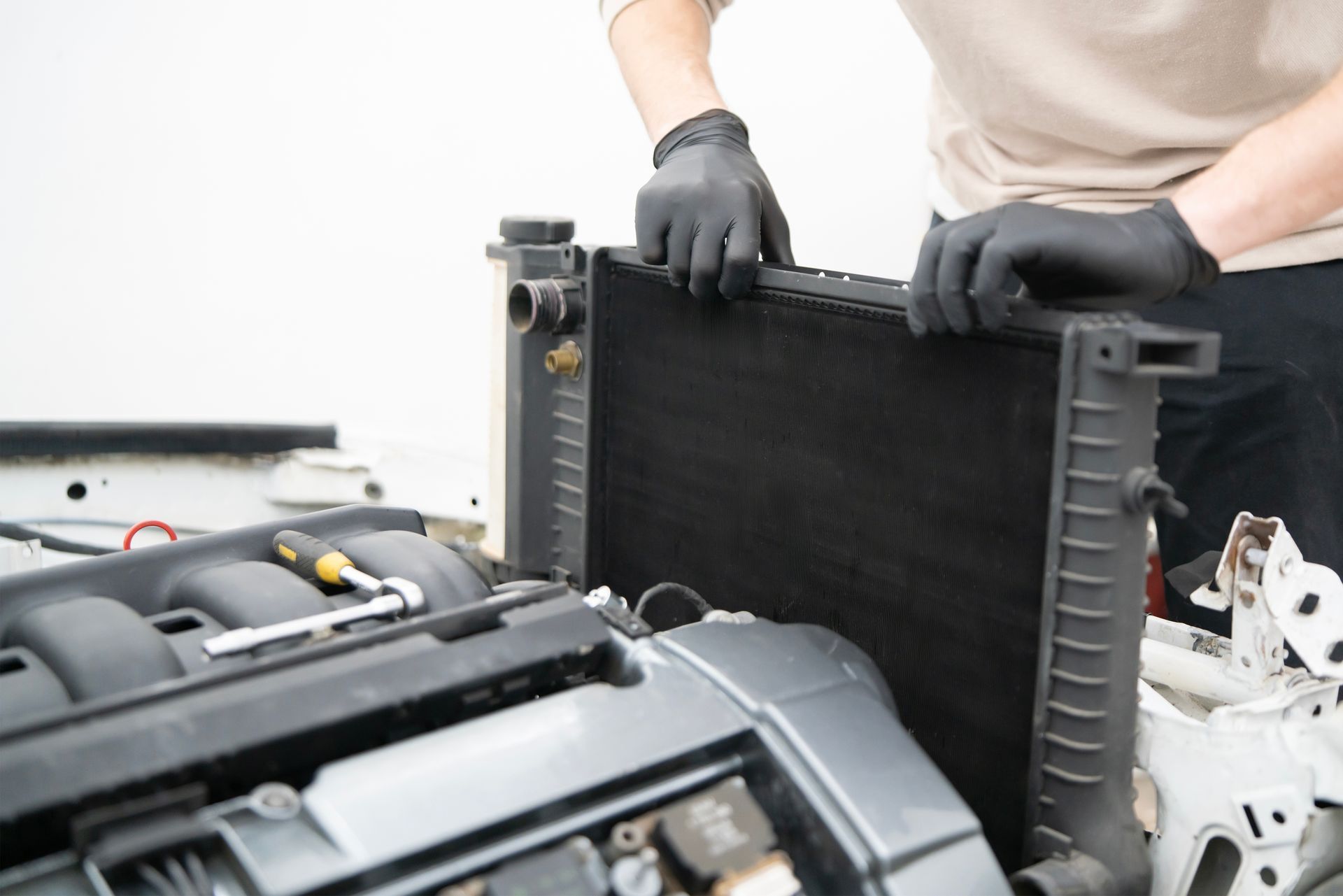
Experienced technicians drain old coolant, flush the system to remove rust and scale deposits, then refill with fresh antifreeze mixed to the correct concentration for your vehicle and climate. Radiator leaks are repaired by replacing damaged cores or end tanks, while hose replacement addresses cracks and soft spots that develop from heat cycling and age-related deterioration. Water pump replacement becomes necessary when bearing seals fail and allow coolant to leak from the weep hole, or when impeller damage reduces circulation and causes localized overheating.
You notice the temperature gauge remains stable in the normal range during highway driving and stop-and-go traffic once the cooling system circulates properly and the thermostat regulates coolant flow correctly. Engine performance remains consistent because proper cooling prevents heat-related power loss and detonation that occur when combustion chamber temperatures exceed safe limits. Heater output improves during winter months because coolant flows freely through the heater core without blockages from rust or air pockets that develop when the system runs low on fluid.
Preventative cooling maintenance includes inspecting hoses for cracks before they rupture, testing coolant freeze and boil-over protection to confirm the mixture provides adequate corrosion inhibition, and checking the radiator cap to verify it holds proper system pressure. Cooling system problems escalate quickly in Florida's heat, so addressing minor leaks or thermostat issues prevents roadside breakdowns and expensive engine repairs caused by severe overheating. Some cooling issues stem from clogged radiator fins that restrict airflow, requiring external cleaning to restore heat dissipation capacity during idle conditions.
Questions Before Starting Cooling System Work
Drivers maintaining vehicles in warm climates typically ask about warning signs that indicate immediate cooling system attention and how maintenance prevents breakdowns.
What causes an engine to overheat in stop-and-go traffic but not on the highway?
Insufficient airflow through the radiator at low speeds prevents adequate heat dissipation, which can result from a failed cooling fan, clogged radiator fins, or low coolant levels. Highway speeds force enough air through the radiator to cool the engine even when other cooling components operate below optimal efficiency.
How does Florida's climate increase cooling system maintenance needs?
Continuous operation in high ambient temperatures keeps coolant near its boiling point for extended periods, which accelerates hose deterioration, increases pressure on seals, and causes coolant to break down faster than in moderate climates. Heat cycling from daily temperature swings also stresses plastic radiator tanks and causes cracks over time.
Why does coolant disappear without visible leaks under the vehicle?
Internal leaks allow coolant to enter the combustion chamber or mix with engine oil, which shows up as white exhaust smoke or milky oil on the dipstick. Head gasket failure is the most common cause of internal coolant loss and requires immediate repair to prevent catastrophic engine damage.
What determines whether a radiator needs replacement or repair?
Radiators with minor leaks in end tanks can sometimes be repaired, but core damage from corrosion or impact requires full replacement. Age and overall condition factor into the decision, as older radiators with marginal cooling capacity benefit from replacement even if leaks are repairable.
How long does cooling system service typically take?
Coolant flushes and thermostat replacement usually take one to two hours, while water pump or radiator replacement requires several hours due to accessory removal needed for access. Diagnosis time depends on whether the problem involves obvious leaks or requires pressure testing to locate hidden issues.
1st Performance Automotive provides thorough cooling system inspections that identify current problems and predict which components may fail soon based on wear patterns and fluid condition. Arrange a diagnostic appointment if your temperature gauge reads higher than normal or if you discover coolant loss that requires frequent refilling.