
Bringing Cabin Temperatures Back to Normal
Freon / Refrigerant Recharge in Apopka for rising vent temperatures and diminished cooling capacity
Vent temperatures that gradually climb above forty-five degrees, cooling that weakens during highway driving, or AC that stops blowing cold air entirely typically indicate low refrigerant levels preventing proper heat exchange in the evaporator. Refrigerant doesn't deplete through normal operation—low levels mean a leak exists somewhere in the system, though small leaks may take months to produce noticeable symptoms. 1st Performance Automotive restores proper refrigerant levels using manufacturer-approved refrigerants matched to your vehicle's AC system specifications, and includes system pressure checks during recharge to identify potential leaks or pressure abnormalities that suggest underlying problems requiring attention beyond simple refrigerant replacement.
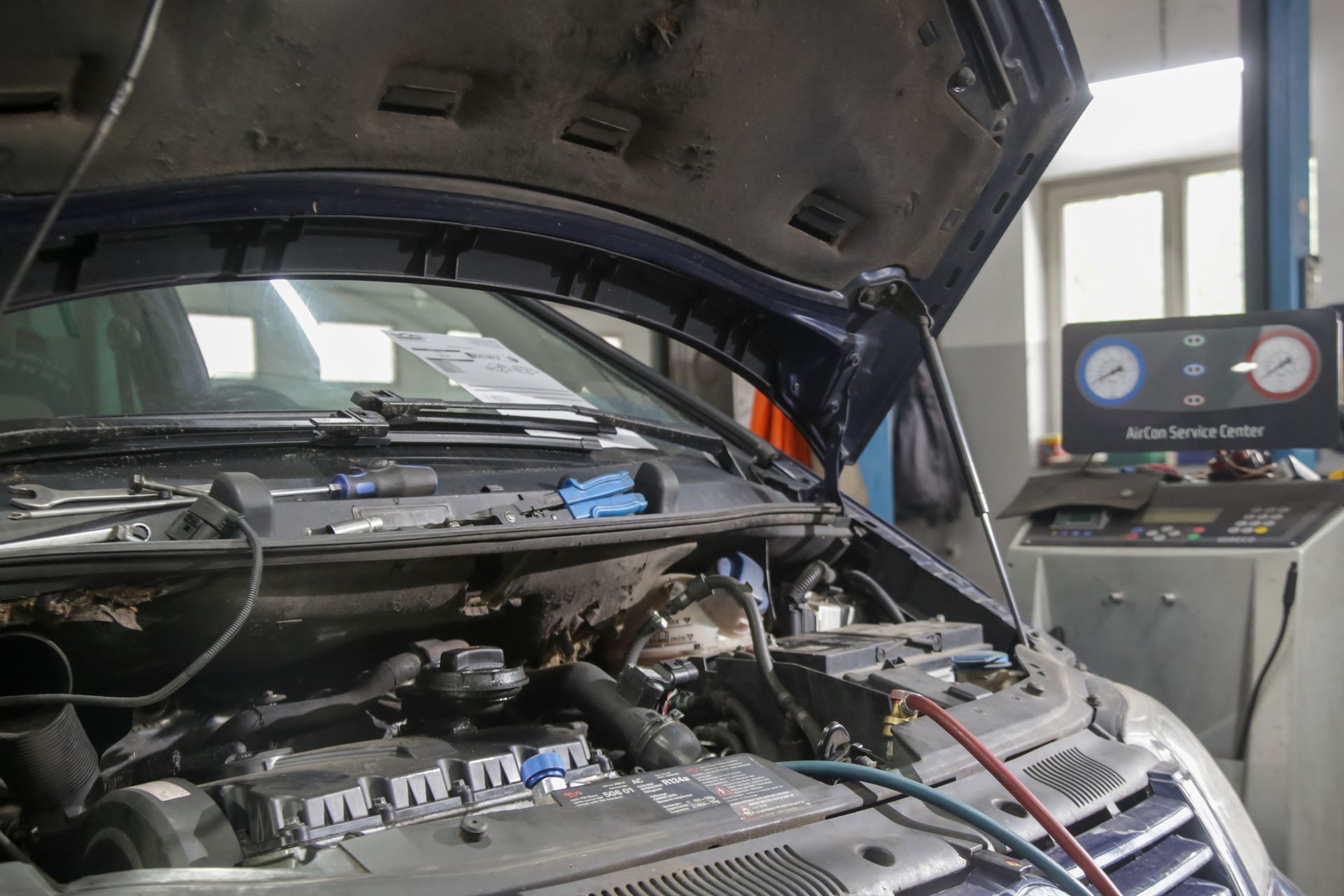
The recharge process involves evacuating remaining refrigerant, vacuum testing the system for leaks, then refilling with the precise refrigerant type and quantity specified by the vehicle manufacturer. Adding too much refrigerant causes excessive pressure that damages seals and stresses the compressor, while too little refrigerant reduces cooling and risks compressor damage from inadequate lubrication. Pressure monitoring during and after recharge confirms the system holds refrigerant correctly and operates within normal pressure ranges on both the high and low sides of the circuit.
Schedule a refrigerant recharge evaluation to restore cooling performance and identify whether leaks require repair before refrigerant loss recurs.
What Determines Refrigerant Type and Quantity
Vehicle manufacturers specify refrigerant type based on system design and environmental regulations, with R-134a used in most vehicles built between 1994 and 2020, and R-1234yf required in many newer models. Using incorrect refrigerant damages system components, voids warranties, and creates safety hazards, making proper identification critical before recharge begins. The specified refrigerant quantity varies by vehicle, typically ranging from one to three pounds, with exact amounts listed on underhood labels or in service documentation.
After recharge, vent temperatures drop to the thirty-eight to forty-two degree range typical of fully functional AC systems, and cooling remains consistent during extended operation rather than fading as refrigerant pressure drops. You'll notice the compressor cycles normally—engaging for several minutes, then shutting off briefly as cabin temperature reaches the thermostat setting—rather than running continuously without achieving adequate cooling. Airflow feels noticeably colder within seconds of AC activation, and cabin temperatures stabilize quickly even in Apopka's intense afternoon heat.
Refrigerant recharge includes system pressure verification that identifies whether low refrigerant resulted from slow leaks, damaged components, or normal refrigerant migration over time in aging systems. If pressure drops again within weeks of recharge, leak detection becomes necessary to locate and repair the source of refrigerant loss. Proper recharge prevents compressor damage caused by running the AC with insufficient refrigerant, which eliminates lubrication and causes internal components to overheat and seize.
Common Questions About This Service
Vehicle owners often ask about refrigerant types, recharge frequency, and whether recharge alone solves cooling problems or if additional repairs are needed.
What refrigerant does my vehicle require and why does it matter?
Your vehicle uses either R-134a or R-1234yf refrigerant based on model year and manufacturer specifications, with the type identified on labels under the hood. Using the wrong refrigerant causes system damage, contamination, and cooling failure because each type operates at different pressures and requires specific lubricants.
How often should AC systems be recharged under normal conditions?
Properly sealed AC systems should not require recharge for years—refrigerant doesn't evaporate or deplete through use. If your system needs recharge annually or more frequently, a leak exists that requires repair to prevent recurring refrigerant loss and compressor damage.
When does low refrigerant indicate a leak rather than normal system aging?
Any noticeable refrigerant loss indicates a leak, since AC systems are sealed circuits designed to retain refrigerant indefinitely. Normal aging may cause small, slow leaks through deteriorating seals, but observable cooling decline always points to refrigerant escaping somewhere in the system.
What's included in a refrigerant recharge service beyond adding refrigerant?
Recharge services include evacuating old refrigerant, vacuum testing for leaks, adding the correct refrigerant type and quantity, and measuring system pressures to verify proper operation. Pressure checks reveal whether the system holds refrigerant correctly and whether other components affect cooling performance.
How does Apopka's climate affect refrigerant requirements and system performance?
High ambient temperatures increase the workload on AC systems, requiring higher refrigerant pressures to achieve adequate cooling. Year-round operation in Florida means systems develop leaks faster than in regions with seasonal use, making pressure monitoring during recharge particularly valuable for catching early leak development.
1st Performance Automotive performs refrigerant recharge with precise measurement and system testing to ensure cooling performance returns to manufacturer specifications. Request a recharge service that includes pressure diagnostics to determine whether your AC requires only refrigerant or if leak repairs are necessary for lasting performance.